1. Safety and scope
The team explains what it can handle and which parts, like testing a site where drugs were made, need a different plan.
Little Canada, MN · Ramsey County
Business owners in Little Canada who find syringes in a restroom or storeroom can call (877) 812-4220. A cleanup team can remove sharps and residue and clean the room before it reopens.
If anyone is in danger, call 911 first. For a suicide crisis, call or text 988.
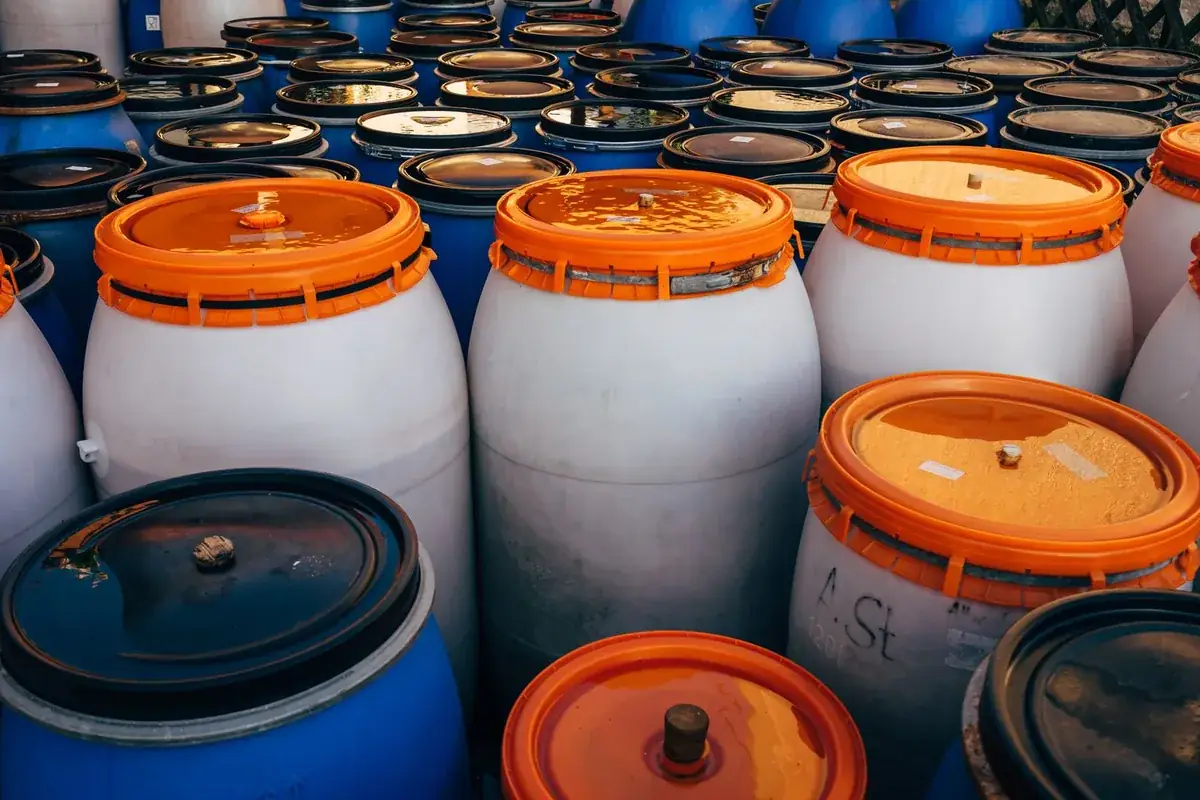
Biohazard cleanup for drug use covers removal of contaminated items, decontamination of surfaces, disposal of soft materials that cannot be cleaned and treatment of lingering odor.
If you are unsure whether your space in Little Canada needs cleaning, you can talk with Little Canada Biohazard Cleanup Help about it in Ramsey County. The team helps sort out what is paraphernalia cleanup and what may call for more testing.
The vacancy rate in Ramsey County is only about 5%, so most paraphernalia calls come from occupied homes, rentals and businesses. If anyone is unresponsive or hurt, call 911. The nearest emergency room to Little Canada is M Health Fairview St John's Hospital in Maplewood, about 3 miles away.
Drug Paraphernalia Cleanup in Little Canada usually includes:
The team explains what it can handle and which parts, like testing a site where drugs were made, need a different plan.
Cleanup technicians collect sharps, bag soiled items and lift loose debris using tools.
Surfaces are cleaned, and soft goods that could hold residue are removed.
The crew cleans, checks, and walks the owner through what was done and what still needs attention.
The cost of drug paraphernalia cleanup in Little Canada, MN depends on the amount of material, how it is packed and how it is hauled.
Odor treatment adds work when smells have settled into fabric, walls or air systems.
| Type of job | Typical range |
|---|
Published ranges only (); every drug paraphernalia cleanup job in Little Canada is priced after an on-site look. Price drivers include amount of material, whether residue is present, surfaces affected, waste disposal. Questions? Call (877) 812-4220.
Often, yes. Many teams can arrive in an unmarked vehicle and work quietly. If privacy matters, ask about it when you call. The crew shares only what it needs to plan the work.
No. A good team asks only what it needs to plan the work, and you decide what to share. If privacy matters, ask about discreet, unmarked arrival when you call. Teams differ, so ask how the call and the visit are handled.
It can. Powders and stains may stay on floors, furniture, bedding and in vents after the items are gone. That is why a team cleans and disinfects the surfaces and removes soft materials that cannot be cleaned. Ask what the plan covers.
Vehicles can hold syringes, residue and odor in seats, carpets and vents. Ask whether the team cleans vehicles and how soft materials are treated. Crews use the same protective gear and sealed containers as in a building.
Police and the city do not usually clean the space afterward. The owner or the family books the cleanup once the scene is released. A cleanup team can work after the release and explain the steps. Ask the agency when the space is cleared.
A careful cleanup removes the items and cleans the surfaces it covers. Testing is a separate step, and rules vary by place. Ask the team what it did and did not check, and ask the local health department what applies where you live.
Crews work without judgment and focus on making the space safe.
Call (877) 812-4220